7 Simple Living Ideas for a No-Rush Weekend Life
Imagine waking up without an alarm, sipping tea as sunlight filters through the window, and having the freedom to choose how you spend your day. No emails, no deadlines, no rush to squeeze every minute into productivity. Instead, you move at your own pace,reading, walking, cooking, or simply sitting with a friend. This is what a no-rush weekend looks like: a space where time feels expansive, and you can reconnect with yourself and others.
For many, this vision is something to look forward to, yet it often feels out of reach. The demands of work, family, and social obligations can make weekends just as hectic as weekdays. You might find yourself running errands, managing chores, or scrolling through screens, wondering where the rest and relaxation went. If this sounds familiar, you’re not alone. The desire for a slower, more intentional weekend is growing, especially among those in midlife who are redefining what matters most.

The History of the Weekend: Why Two Days?
The concept of the weekend as we know it is surprisingly modern. In the early 19th century, industrial workers in Britain began to demand time off, leading to the emergence of “Saint Monday”, an unofficial day off taken by workers to recover from the previous week’s labor. Over time, religious groups and labor unions pushed for a formalized break, arguing that rest would improve both productivity and well-being.
By the late 1800s, Saturday afternoons and Sundays became recognized as leisure time, with employers gradually adopting the practice to boost morale and reduce absenteeism. The full two-day weekend, as we now know it, was cemented in the 1930s, largely due to the efforts of industrialists like Henry Ford, who found that giving employees two days off led to happier, healthier, and more productive workers.
Today, the weekend remains a global symbol of rest and renewal, though its structure varies by culture and religion. The two-day break is a hard-won achievement that reminds us of the importance of balance and self-care.

7 Simple Living Ideas for a No-Rush Weekend Life
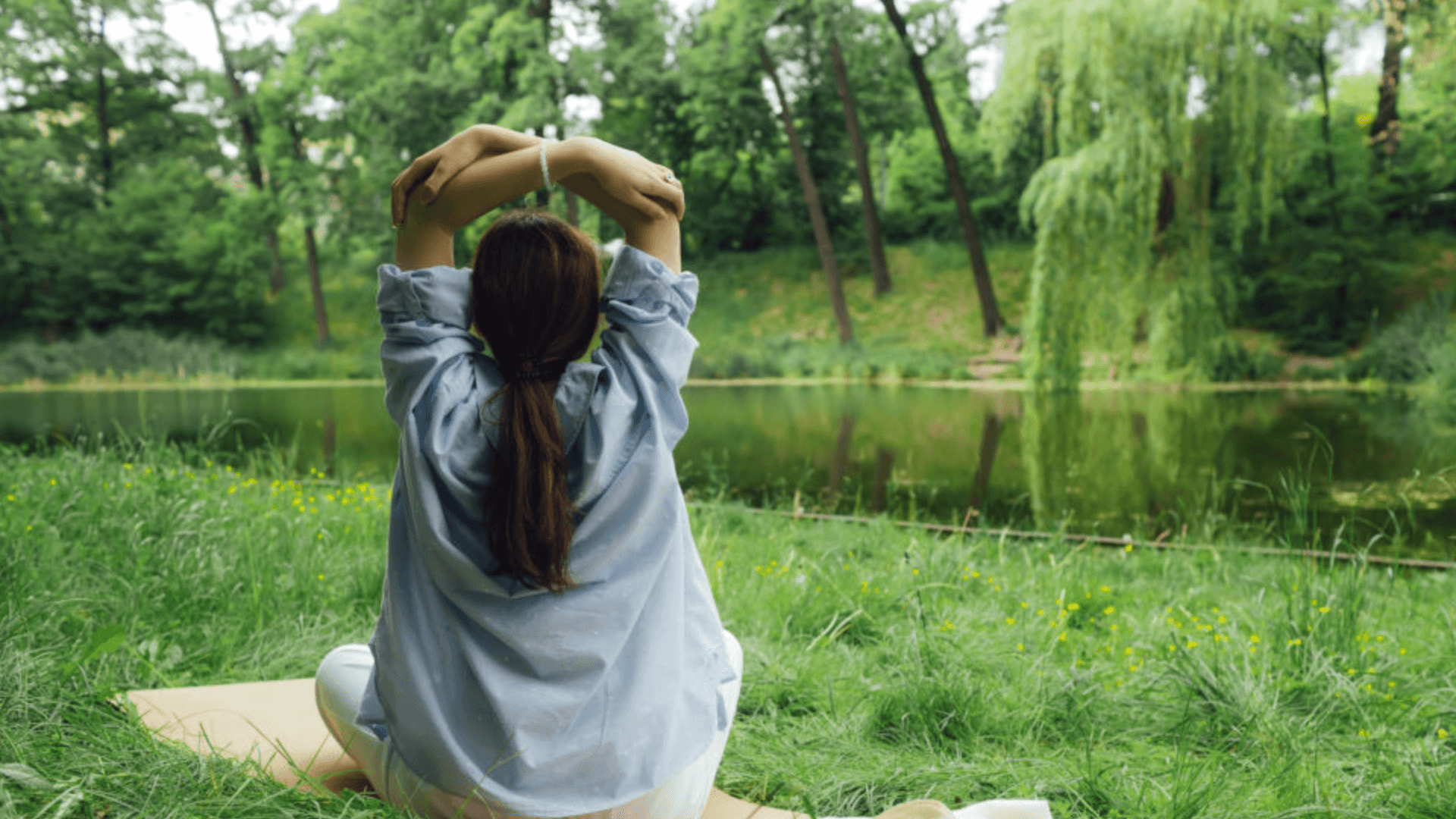
1. Curate Your Own Mini-Retreat
Transform your weekend into a personalized retreat by creating a soothing environment that engages your senses and nurtures your well-being. This structured approach helps reduce stress, increases mindfulness, and provides a break from daily distractions, making your weekend restorative rather than rushed.
How to Achieve It:
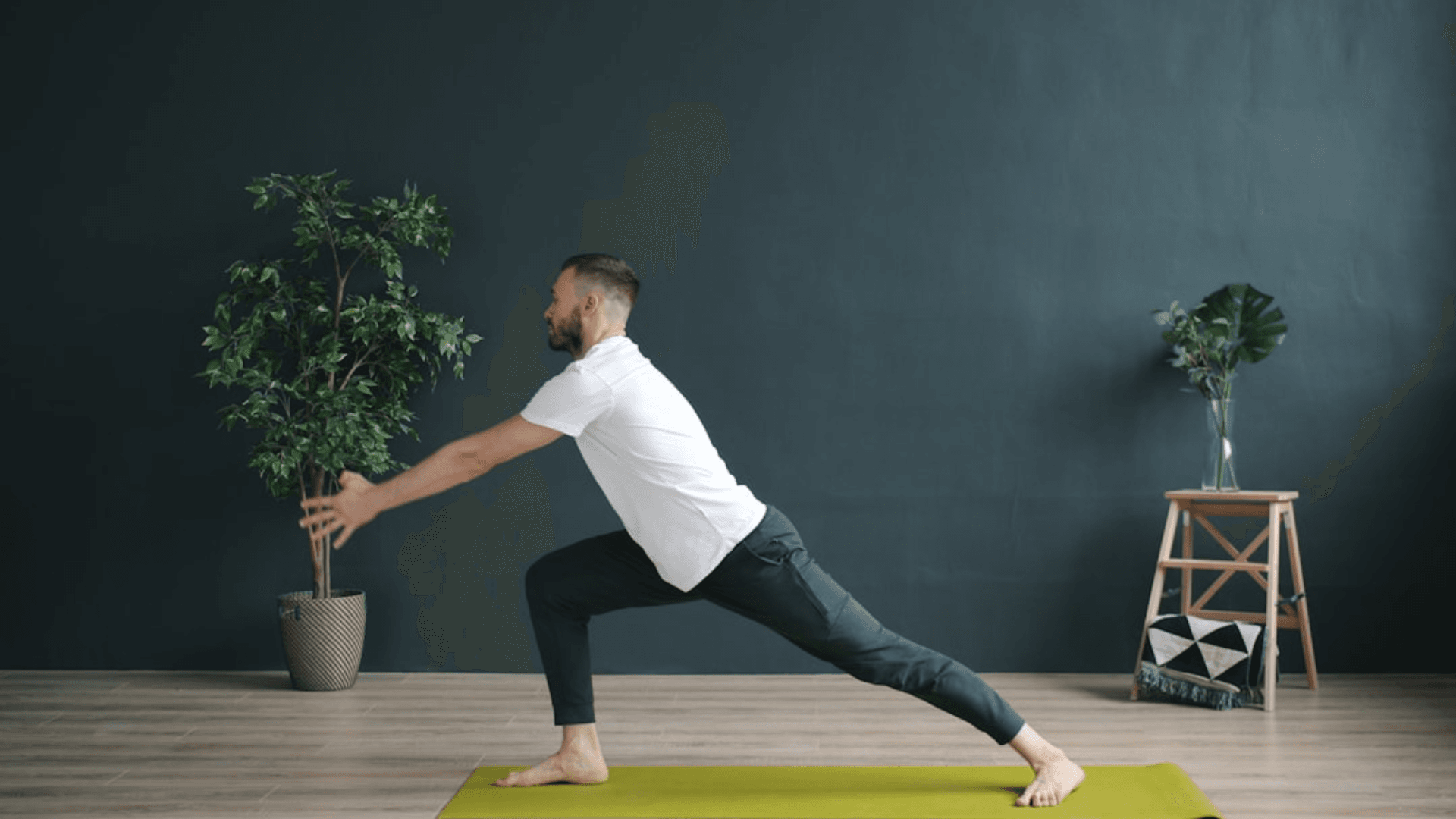
Reserve your weekend for self-care. Plan sensory elements like a playlist of your favorite music, select special teas or wines, and pick books or poetry to read. Schedule moments for journaling, meditation, and gentle movement. Prepare the setting with comfortable seating, candles, or diffusers. Treat it like a getaway but from the comfort of home or a nearby peaceful location. This intentional pause encourages deeper relaxation and clarity.
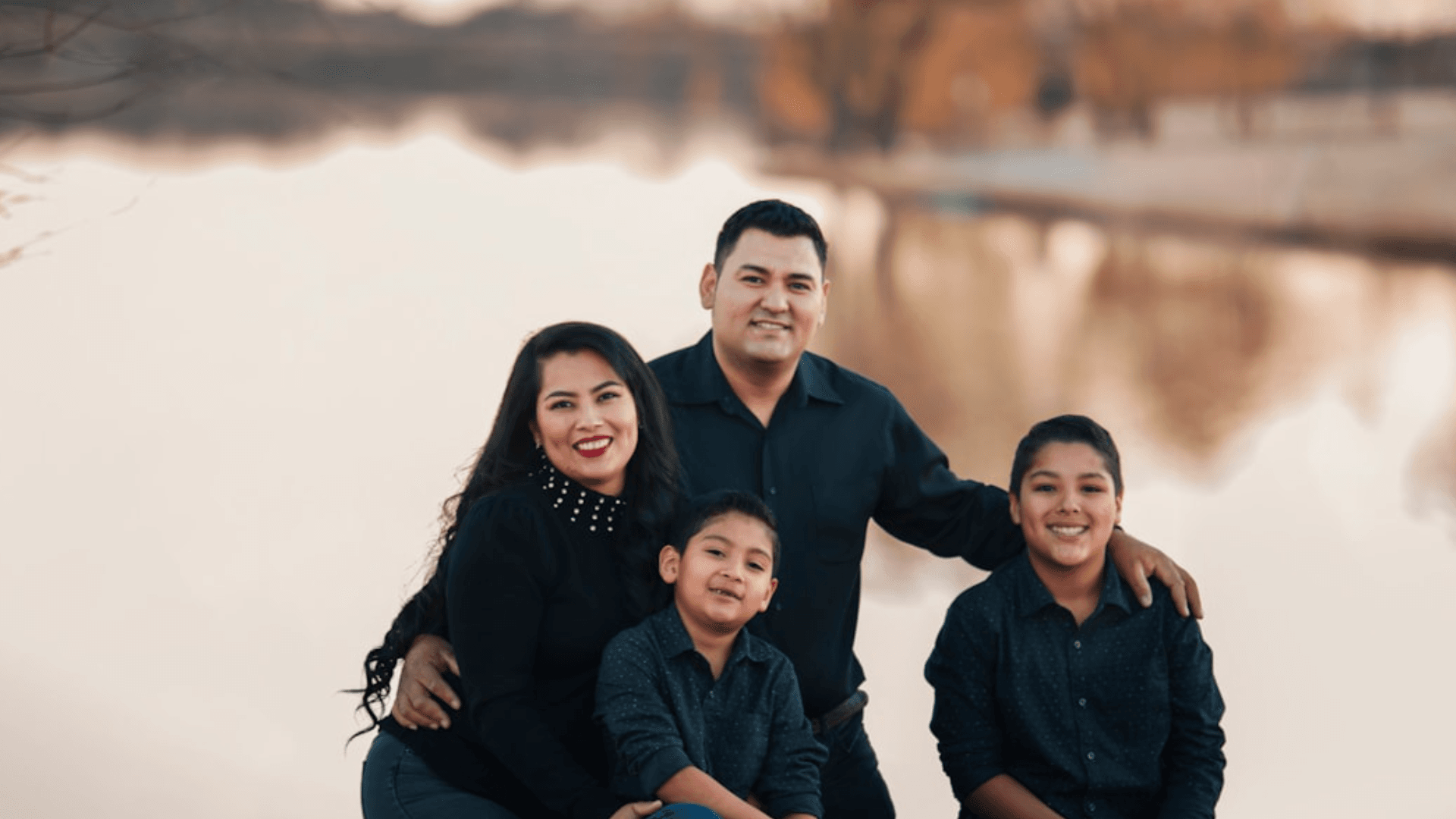
2. Intentional Community Connect
Shifting from casual socializing to meaningful connections with people who share your interests creates a sense of belonging and emotional nourishment. These gatherings deepen relationships and foster shared joy, breaking the isolation that midlife can sometimes bring.
How to Achieve It:
Plan themed events like supper clubs featuring regional cuisine, music listening parties with storytelling, or book discussion gatherings. Keep the group small and focused on shared interests. Use Aprisio as a platform to find like-minded members and host regular meetups or virtual salons that combine connection with culture
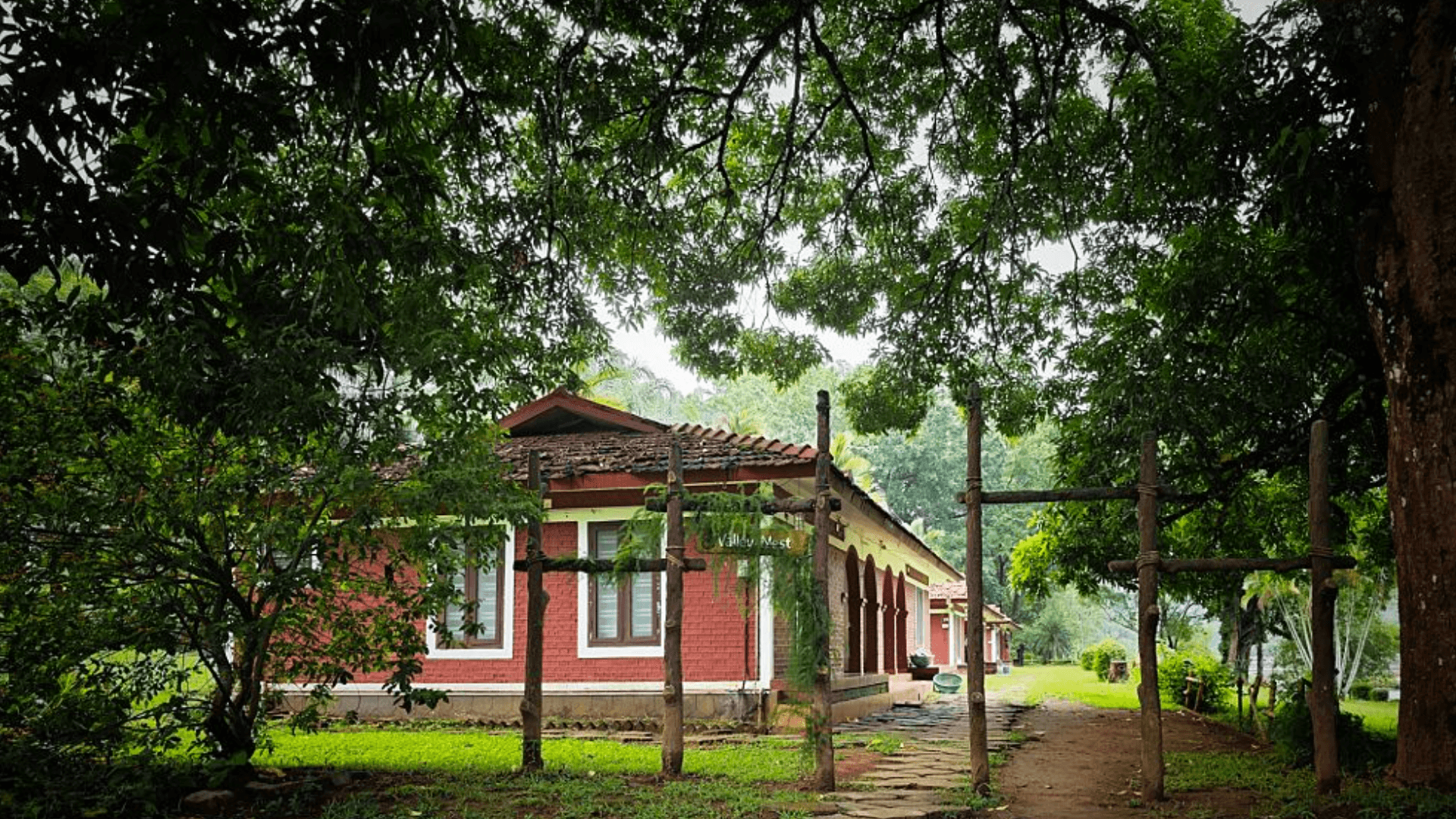
3. Seasonal Exploration and Slow Travel
Exploring your local environment through the lens of seasonal changes invites curiosity, refreshes your perspective, and anchors you in the present moment. This slow travel approach encourages mindful movement and discovery without the stress of distant travel.
How to Achieve It:
Choose a local park, nature reserve, or heritage site aligned with the season’s highlights, such as fall foliage walks or spring flower tours. Engage a guide or use apps for self-led tours focusing on history, art, or ecology. Make it a sensory experience—pause to listen, smell, observe details. Invite friends or community members for shared enjoyment and conversations.
4. Hands-on Creative Confluence
Combining creativity across senses such as cooking paired with art or music ignites imagination and enhances emotional well-being. It shifts focus from outcomes to the joy of creation, reducing anxiety and fostering flow states of deep engagement that rejuvenate the mind.
How to Achieve It:
Plan projects that integrate multiple mediums, like cooking a family recipe while listening to culturally linked music and then writing or illustrating related memories or stories. Join or organize workshops that blend art, music, and culinary arts, or host a creative circle in your community or online. This multi-sensory immersion boosts presence and creativity [aprisio.com].
5. Practice Radical Downtime with Novelty
Purposefully doing “nothing” sounds simple but can be deeply challenging and transformative. Adding novel experiences like float tanks or sound baths maximizes relaxation and breaks habitual stress responses, helping midlifers reset their nervous system and mental habits.
How to Achieve It:
Book sessions at spas that offer sensory deprivation tanks, sound healing, or other restorative therapies. At home, create a downtime ritual with ambient sounds, dim lighting, and gentle movement or meditation. Schedule this time without guilt, reminding yourself that rest is productive and necessary for renewal.
6. Weekend Digital Sabbatical plus Analog Exploration
More than just switching off screens, this involves replacing digital consumption with engaging, tactile experiences. It resets attention patterns, reduces cognitive overload, and reconnects you with the physical world, a necessary counterbalance in a digital age.
How to Achieve It:
Schedule a digital-free block or entire day. Replace screen time with activities such as analog photography walks, visiting live performances, flea markets, or craft fairs. Engage your senses and curiosity in these analog experiences. This intentional shift fosters mindfulness and rekindles the joy of slower, authentic experiences.
7. Food and Memory Rituals
Cooking recipes that connect to your heritage or memories creates a meaningful link to your past and identity. This ritual supports emotional grounding, storytelling, and can become a way to pass legacy while nurturing your body and soul.
How to Achieve It:
Select recipes with personal significance, family dishes, regional specialties, or meals from important life chapters. Cook mindfully, savoring ingredients and process. Share the story behind the dish with family or Aprisio’s community, making the act of cooking also a ritual of connection and reflection [aprisio.com].
Redefine Your Weekend Plan
A no-rush weekend is about choosing activities that nourish your mind, body, and spirit. By embracing simple living ideas, you can create weekends that feel restorative and meaningful. Whether you’re exploring nature, expressing creativity, or simply enjoying a quiet moment, these practices can help you reclaim your time and energy.
At Aprisio, we curate unique experiences centered on food, music, travel, books, and more—designed specifically for those redefining midlife. If these interests resonate with you, joining our community can offer support and inspiration as you create your ideal weekend plan and enrich your life with meaningful connections
Related Blogs