How Pickleball Helps Promote Healthy Aging
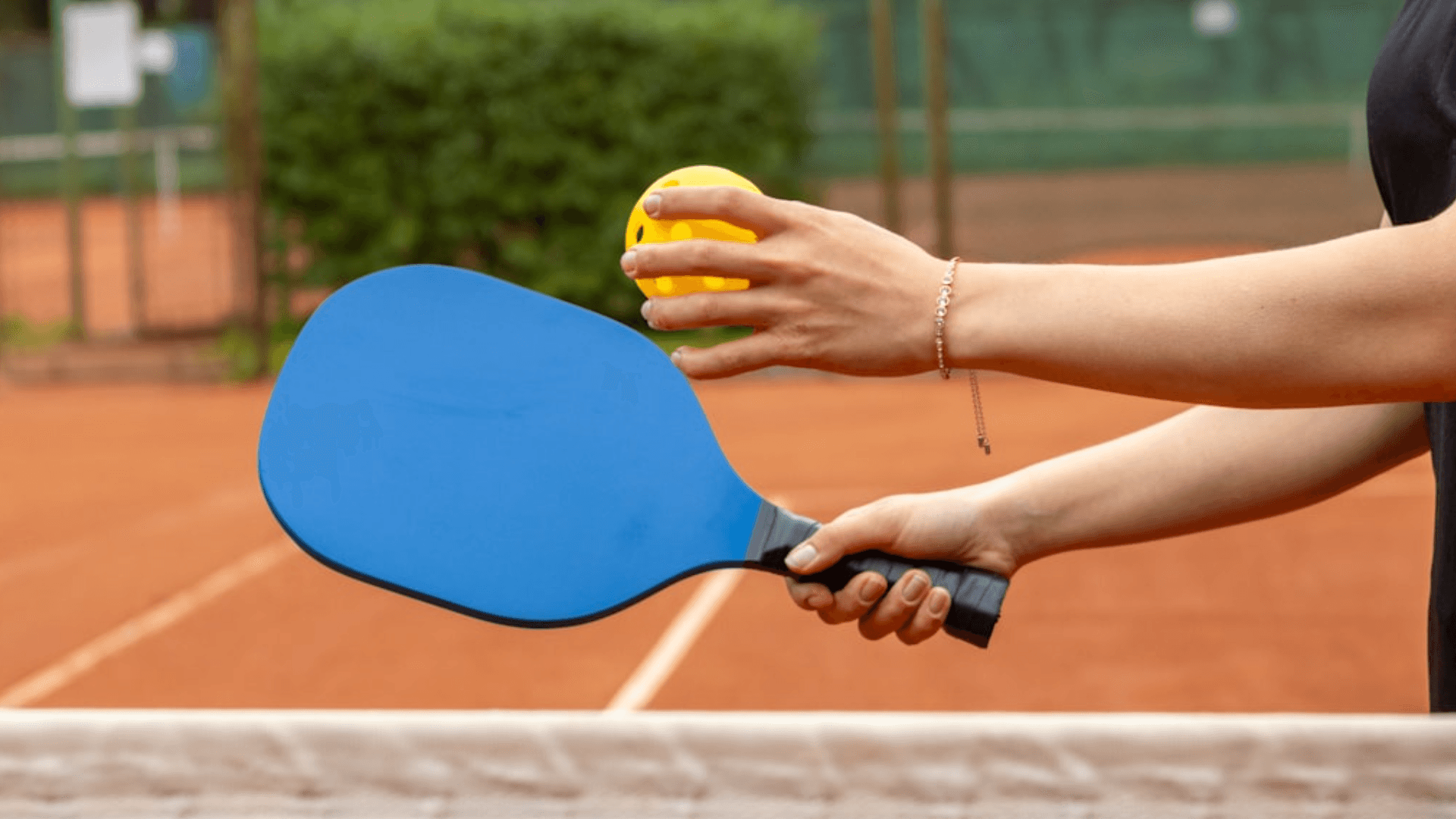
For anyone eyeing fitness without the intimidation of gym machines or marathon training, pickleball stands out as a creative, fun gateway sport. This paddle-powered mashup of tennis, badminton, and ping-pong invites laughter-filled rallies on compact courts, making movement feel like play rather than punishment. In India, this joyful accessibility has ignited a nationwide surge, with active players leaping nearly 300% in three years to over 70,000 by mid-2025. Courts now dot Mumbai high-rises, Delhi parks, and Pune academies—over 1,200 nationwide—drawing toddlers, teens, parents, and grandparents alike. Affordable paddles (under ₹2,000), quick-learn rules, and low-impact action make pickleball the perfect antidote to urban stress, screen fatigue, and isolation, blending calorie-torching workouts with genuine social connection.
The Science of Low-Impact, High-Return Fitness
In a nation of desk jobs, traffic-choked commutes, and polluted skies, high-intensity workouts often fizzle. Pickleball counters with sustainable cardio: aerobic bursts balanced by strategic pauses, boosting heart health while minimizing injury. A PubMed scoping review confirms its physical, psychological, and social yields across adults, ideal for India’s 10.5% diabetes burden.
Doubles play weaves community fabric, combating loneliness—a depression trigger in aging urbanites. Endorphin highs and court-side chats leave players energized, not drained. Influencers and Fit India campaigns amplify its chic appeal, but evidence seals the deal: enhanced agility, weight control, and lower hypertension risk.
Pickleball blends tennis, badminton, and ping-pong on a compact court, making it ideal for India’s 100 million-plus population over 50: moderate cardio without joint pounding. Players burn 400–600 calories per hour—more than brisk walking—and three sessions weekly lower blood pressure and cholesterol within six weeks. Short sprints and lateral shuffles elevate heart rate, delivering a 12% fitness boost in seniors. Paddle swings engage legs, arms, and core, yielding an 11% gain in lower-body power after just six weeks.
Balance and agility sharpen through quick reflexes and soft “dinking,” cutting fall risk—a critical benefit for adults over 50. Mentally, the game demands strategy and anticipation, enhancing memory and attention while combating dementia. Its doubles format forges instant social bonds, reducing loneliness by 30%.
Pickleball Courts in Bangalore: Where to Rally
Bangalore, a pickleball epicenter, pulses with courts blending urban convenience and community vibe. From tech-hub rooftops to neighborhood arenas, these venues cater to beginners and pros alike, often with coaching and evening slots. Here's a curated list of standout spots:
- PaddleX: Off Bellandur, Bhoganhalli, Bengaluru, Karnataka 560103 – Six indoor courts with cushioned acrylic flooring, showers, and a café.
- PYKLN: No. 503, Old Sy No. 17/10A, 17/10B, Mangammanapalya Main Road, Yellukunte, HSR Layout, Bangalore 560068 – Premium indoor setup with coaching and lounge areas.
- 11 Point Club: Kadubeesanahalli – 12 courts (indoor/outdoor mix), plus badminton options.
- Go Rally Pickleball: Multiple (JP Nagar, Indiranagar, Agara) – Covered courts, tournaments, and social events.
- Swysh: Kundalahalli/Whitefield – Stylish indoor facilities with kids' academies.
- Mahesh Bhupathi Pickleball Arena: 183/4, Tindlu Road, Kodigehalli, Vidyaranyapura Post, Bengaluru – Four international-standard courts by the tennis legend.
- Pickle Social Club: Safina Plaza – Vibrant spot with high ratings for casual play.
- Blue Cap Sports Arena: Ramamurthy Nagar – Indoor courts amid multi-sport amenities like cricket nets.
- Play Pickle: Yeshwanthpur – 24/7 rooftop access with scenic views and leagues.
- Klutch JC Road: Town Hall – Central, affordable venue for quick sessions.
Book via apps like Playo or Hudle for slots—many offer gear rentals and beginner clinics, making it easy to dive in.
Pickleball and Midlife: Transforming Perspectives on Vitality
The 40s and 50s often arrive with a quiet reckoning: demanding careers, caregiving roles, and subtle physical shifts—slower recovery, stiffer joints, creeping fatigue. For many Indians in this “sandwich generation,” health feels like another obligation, not an opportunity. Pickleball flips the script. Its fast-paced yet forgiving format turns midlife into a stage for rediscovery, where strategy outsmarts stamina and laughter drowns out limitations.
A SilverSneakers six-week intervention with middle-aged adults revealed that just three hour-long sessions weekly delivered measurable wins: lower blood pressure, improved cholesterol, and enhanced cardiorespiratory fitness. These aren’t abstract stats—they translate to climbing stairs without breathlessness, keeping up with kids on weekends, and dodging the diabetes and heart disease that loom large in India’s midlife demographic.
The court becomes a confidence lab. Quick volleys sharpen reflexes dulled by desk life; lateral shuffles rebuild agility lost to years of commuting. ColumbiaDoctors specialists emphasize that midlife cardiovascular gains are predictive of cognitive health decades later—every rally is an investment in a sharper, dementia-resistant future.
In India, where midlife women are often sidelined from sports by cultural norms or family duties, pickleball’s mixed doubles format levels the field. Health here isn’t punishment; it’s play with purpose. Pickleball doesn’t demand peak fitness to start—it builds it, one dink, one drive, one grin at a time. For midlifers, the paddle isn’t just equipment; it’s a declaration: I’m not slowing down. I’m leveling up.
Related Blogs