How to Safely Return to Sport After Years of Inactivity
There’s a specific kind of itch that shows up in your forties and fifties, not the “I should exercise more” kind, but the quiet tug of a sport you once loved. Sometimes it’s triggered by watching a neighbour head out for a tennis game, or your child asking you to join a quick round of badminton. Other times, it’s just a memory from school or college that resurfaces at the most random moment.
And for a split second, you feel that old familiar rush: the competitive spark, the joy of learning a skill, the comfort of a routine that doesn't feel like “fitness,” but simply play.
That spark rarely comes with fear first. It comes with possibility. The hesitation shows up only a moment later: Will my body handle this? What if I injure myself? Is starting again even realistic?
If you’ve been inactive for years, these questions make sense. But they don’t mean you shouldn’t return. They simply mean you should return smarter. You’ve lived enough life — and handled enough curveballs — to know that the safest way back is the mindful way back. Not slow, necessarily, but intentional.
That’s exactly what this guide helps you do.
Why Returning to Sport Matters More Than You Think
By the time you’re in midlife, you’ve already clocked enough doctor visits, annual check-ups, and conversations with friends to know the usual list of age-related health risks. You don’t need another reminder of them, but you do need a reminder that sports remain one of the most powerful and enjoyable ways to manage those risks.
What makes sport different from regular workouts is engagement. You’re not counting repetitions or watching a timer. You’re reacting, adapting, learning, adjusting, and allowing your mind and body to sync in a way that’s hard to replicate on a treadmill.
And because your focus shifts to the game, you end up doing exactly what your body needs without overthinking it. That natural engagement is what makes sports such an effective buffer against common midlife health concerns, be it stiffness, sluggish metabolism, rising blood pressure, or fading energy levels.
Returning to sport is about preserving capability, confidence, sharpness, and agility, the things that matter far more day to day than a number on a scale.
How to Reconnect: Smart Ways to Restart Without Harming Yourself
Returning to sport doesn’t mean plunging into something intense right away. Instead, start with awareness, patience, and strategy.
First, acknowledge that your body has changed. The muscles, tendons, and joints you once trusted may demand more time now. That’s not a weakness; it’s a fact. A gradual approach, longer warm-up, shorter sessions, and a focus on consistency, lowers risk and builds sustainable habits.
Recovery matters more than ever. As you restart, give yourself full permission to rest. Your muscles need time not only to recover but to adapt. Integrating mobility work, and stretching, and perhaps even light yoga can help you prepare and recover in ways that feel supportive, not punitive.
Strength is the foundation of everything. Resistance training, even just two or three times a week, helps rebuild muscle and protect joints. Evidence shows that older adults engaging in resistance work improve strength, preserve muscle mass, and support day-to-day function.
Best Sports to Restart With and Why They Work at This Stage of Life
This is where many people get stuck. They feel the urge to return but feel unsure about which sport suits their current lifestyle, joints, stamina, and risk tolerance. The goal isn’t to challenge yourself immediately — it’s to choose a sport that sets you up for early wins.
That first sense of progress is what keeps you going.
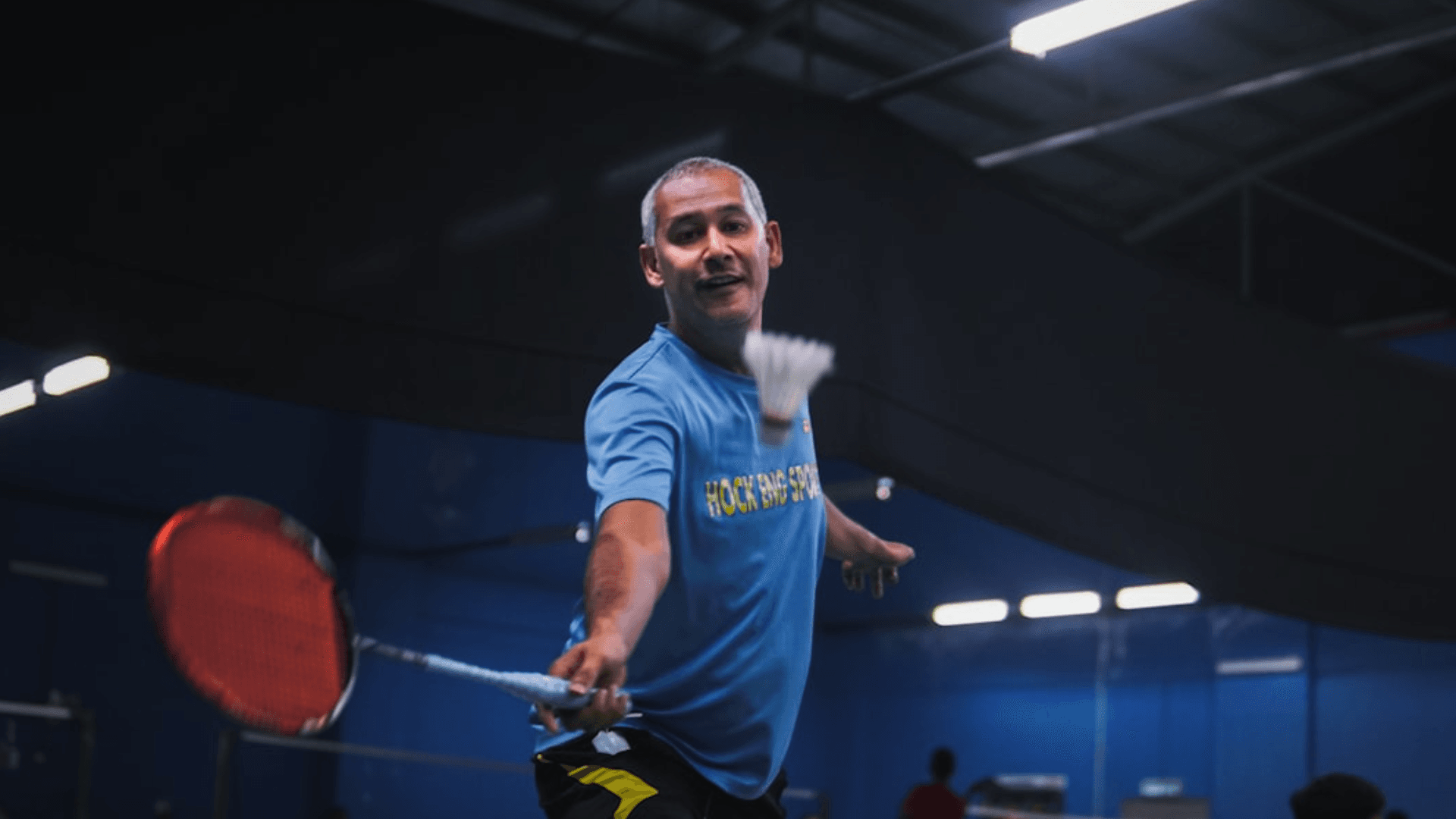
Badminton is a favourite among midlifers for good reason. It gives you the thrill of quick movement without forcing your joints to endure long, demanding strides. You feel involved right away — the footwork, the swift wrist action, the satisfying smack of a clean shot — and all of it comes without overwhelming the body.
Swimming works in the opposite way. It strengthens everything quietly. There’s no pounding, no sudden impact, no pressure on the ankles or knees. The water supports you, giving your joints a break while rebuilding your stamina, balance, and lung capacity in a way that feels almost meditative.
Table tennis may look gentle from the outside, but anyone who plays knows how engaging it becomes within minutes. It’s perfect if you want to sharpen your reflexes again without placing your body under any discomfort. It’s also social, lighthearted, and endlessly replayable.
Cycling remains one of the best ways to rebuild base fitness. You control your pace, your distance, your terrain. It gives you adventure without risk, and the rhythm of pedalling is both grounding and energising, especially if you prefer solo sports.
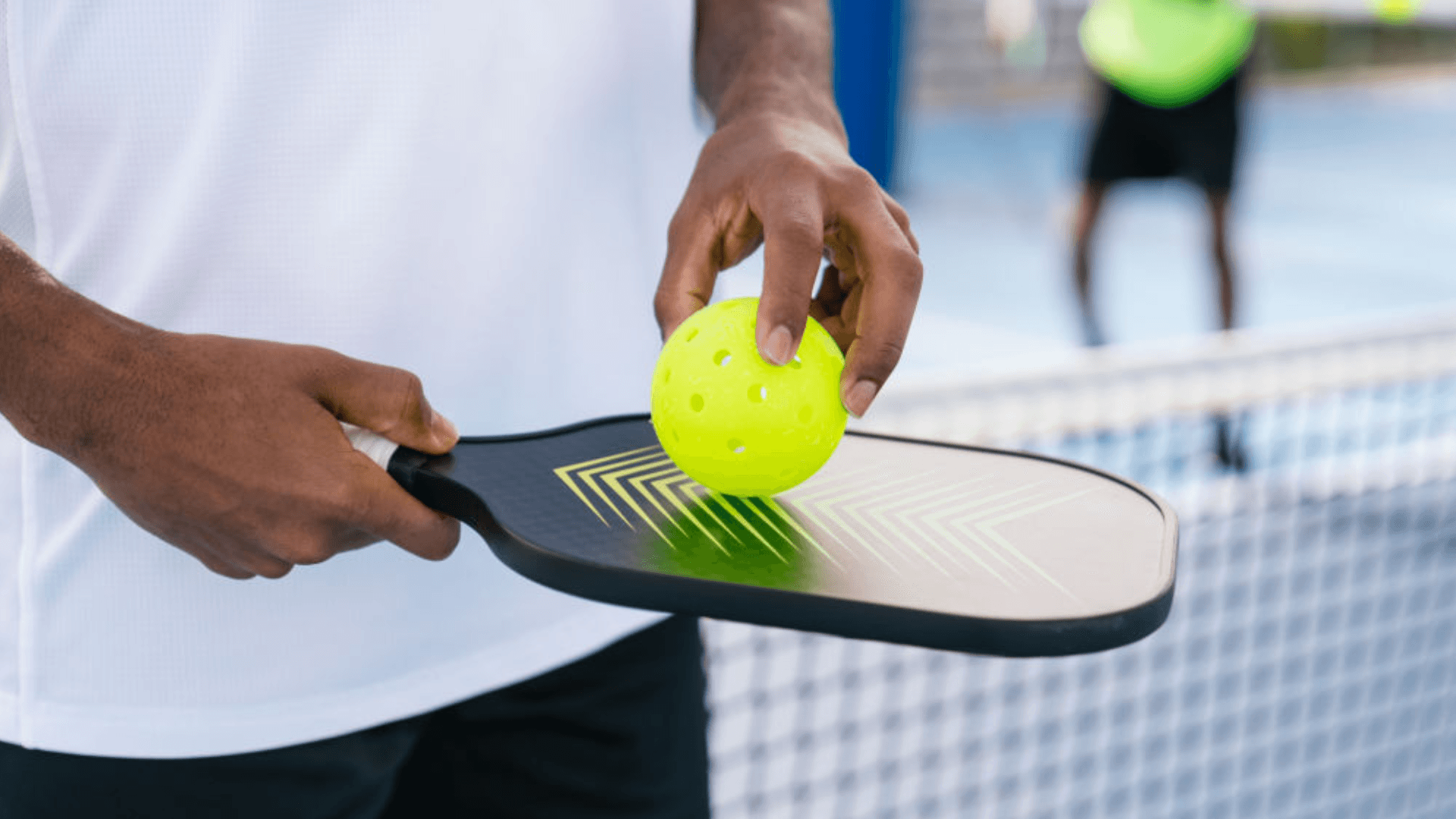
Pickleball has recently become a global favourite among 40+ communities because it brings out the joy of learning something new while being incredibly forgiving on the body. The court is smaller, the rallies last longer, and the sport is friendly enough that beginners never feel intimidated.
You also don’t need to commit to a “real sport” right away. Pairing yoga with any of these options makes your return smoother. Yoga reopens joints, improves balance, protects your back, and strengthens deep stabilising muscles that keep injuries at bay.
The biggest myth about returning to sport is that you need a heroic starting point. You don’t. You need the right starting point.
How to Make Your Comeback Sustainable
Your body will reward you for consistency far more than intensity. If you finish every session with the sense that you can return tomorrow, you're doing it right. When your comeback feels like something you want to do instead of something you should do, you’ve already won half the battle.
What helps most is community. When you meet people your age with similar interests, people rediscovering their athletic side, people who discuss everything from recovery hacks to nostalgic sports stories, the journey feels lighter. Midlife fitness is not a solo project. It’s a shared experience. If you are on the lookout for people who share the same interest as you in sports, then we highly encourage you to join Aprisio's Fitness & Movement sub-community!
Being active isn’t just about reducing health risks; it’s about returning to a version of yourself you miss, the one who enjoyed moving, learning, sweating, competing, laughing, and growing.
Related Blogs