International Men’s Day 2025: Prioritising Well-being and Health for Midlife Men
Here's something striking: 80% of Indian adults have opened up to ChatGPT or similar AI tools about loneliness, anxiety, and relationship struggles. For many men in midlife, these digital conversations have become the first place they turn when life feels heavy. There's something both practical and sad about this.
AI chatbots offer immediate responses without judgment, they'll listen at 2 AM when everyone else is asleep, and they won't look at you differently afterward. But mental health professionals are clear: these tools can't replace real empathy or professional care. They're a band-aid on a deeper wound. What this really shows is how isolated many men feel.
Traditional ideas about masculinity, limited access to therapists, and the stigma around admitting vulnerability, all of it pushes men toward their phones instead of toward other people.
As we mark International Men's Day 2025, this trend highlights how urgently we need better, more accessible mental health support that actually fits the lives of midlife men in India.
Behind the Mask: Triumph Teased by Exhaustion
The performance-driven culture in India often presses men to conceal inner turmoil behind gestures of achievement. This creates a paradox where external success masks profound loneliness and burnout—a phenomenon researchers name "achievement exhaustion."
In the generation we're looking at, men are often expected to be providers and heads of family. These responsibilities are accepted without question, becoming part of their identity from an early age. The weight of being the primary earner, the decision-maker, the protector—these roles are worn like armor, leaving men with no outlet because they believe it's simply their duty.
Add to this the pressure to perform in professional settings while "being a man" also means sucking up the punishment, the bad days, the setbacks without complaint. Over the course of years, this accumulates into an exhaustion that runs bone-deep. It's not just tiredness—it's a profound depletion that goes unacknowledged because admitting it feels like admitting failure.
This exhaustion is insidious:
- Outward polish hides emotional depletion
- Cultural stoicism compounds isolation
- The expectation to be strong becomes a prison
- Recognizing this gap is key to effective mental health care
What Deeper Science Reveals: Beyond Surface-Level Stress
While common knowledge frames midlife stress as mood swings or work-family conflicts, profound neuroscience reveals more subtle yet impactful realities. Chronic stress reshapes neural pathways responsible for decision-making and emotional regulation—a phenomenon called "cognitive constriction" leading to emotional rigidity and impaired adaptability. Many men experience "emotional numbing," a dulling of feelings that fractures their connection with others and themselves.
This emotional suppression also disrupts stress hormone regulation, linking psychological distress directly to increased cardiovascular and metabolic risks. Understanding these hidden, physiological consequences offers fresh perspectives beyond the usual narratives.
The Brain’s Changeability: Why Midlife Is Still a Time of Growth
Your brain at 45 isn't stuck being the same brain you had at 25. That's neuroplasticity—the brain's ability to rewire itself based on what you do and experience. Think of it as a network that keeps updating its connections, reinforcing the paths you use most and letting others fade.
What makes this matter? Men who take up mindfulness, start therapy, or simply try new things are actually reshaping their brains to handle stress better and regulate emotions more effectively. Even after years of the same routines and accumulated stress, your brain can still learn new ways to cope and adapt.
This means replacing bad patterns with good ones is possible—but it requires actively seeking out help and engaging in genuine personal growth. Modern technology like ChatGPT cannot be a stand-in for this work. While AI can provide information, it cannot challenge you, hold you accountable, or help you navigate the messy reality of changing deeply ingrained behaviors.
Sometimes men indulge in toxic patterns without realizing it—patterns of dismissiveness, emotional unavailability, or rigidity—resulting in a lower quality of life for everyone around them, including themselves. Growth at midlife means acknowledging these patterns and doing the hard work to change them.
Flourishing Through Emotional Dexterity
The future of male identity embraces emotional agility, the capacity to face and channel complex feelings positively. This shift moves men away from outdated "toughness" ideals and towards authenticity that includes vulnerability and compassion.
Expressing emotions and channeling them in healthier ways is important, but men should also develop emotional flexibility, especially in an age where expectations for emotional maturity go beyond gender roles and identities. Emotional openness might not come easily after decades of conditioning, but being a kinder, more considerate person is an easier first step than baring your deepest feelings. Small acts of emotional generosity—listening without fixing, acknowledging someone's feelings, offering support—build the foundation for deeper emotional work.
Role models and cultural voices normalizing emotional openness show midlife men that vulnerability is a strength that fosters resilience, better relationships, and deeper purpose International Men’s Day.
Here are some practical suggestions for men:
- Explore mindful breathwork and meditation to calm and rewire the brain’s stress systems.
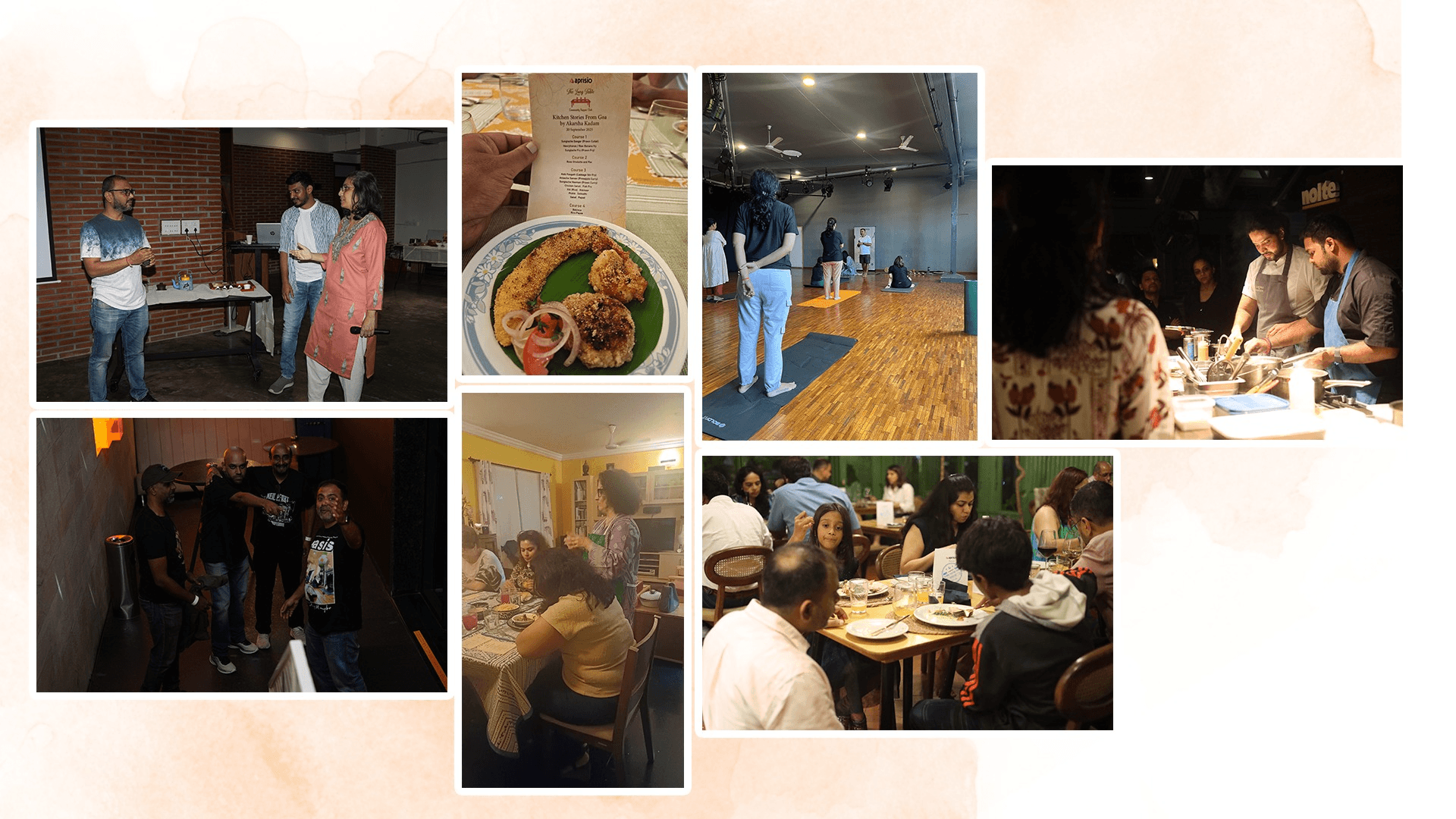
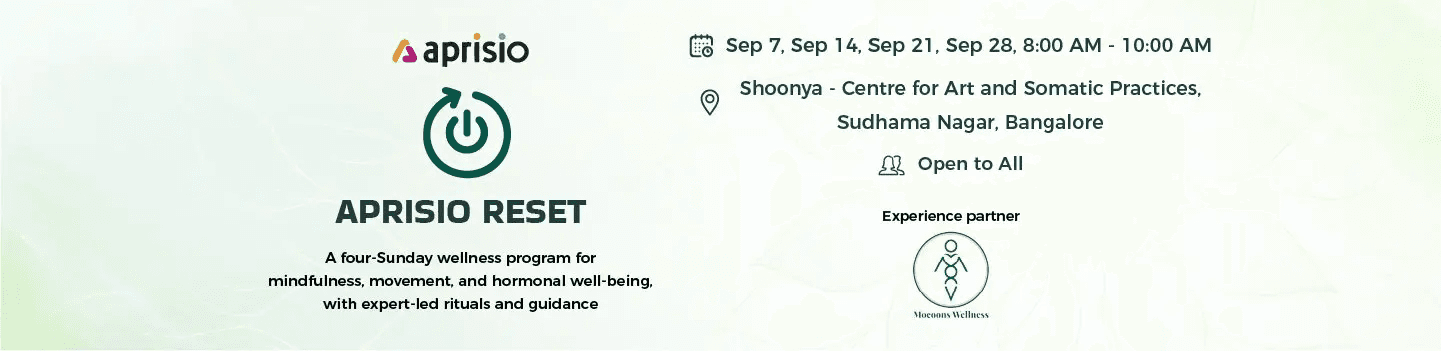
- Join social circles or peer groups like Aprisio that encourage honest sharing free from judgment.
- Consider neurofeedback or counseling to retrain emotional responses with specialized guidance.
- Redefine personal narratives of masculinity to include vulnerability and emotional growth.
- Maintain physical well-being through balanced diet, sleep, and exercise as foundations for mental health.
This International Men’s Day, Aprisio invites every midlife man in India to join a community that understands, supports, and grows together. Our shared journey moves from silent endurance to empowered wellbeing, fostering connection that transcends stigma and transforms lives.
Related Blogs