Midlife Crisis: A New Perspective on a Familiar Narrative
The phrase "midlife crisis" often conjures vivid images popularized by movies—a man impulsively buying a sports car or a woman dramatically changing her lifestyle. But for many Indian midlifers, the reality is far more nuanced. Originally coined by psychologist Elliot Jaques in 1965 to describe a deep existential reckoning, the term "midlife crisis" has evolved into a cultural shorthand for the complex emotions many experience around their 40s and 50s: restlessness, reevaluation, and a search for renewed purpose. Yet, labeling this phase a "crisis" oversimplifies what is, in truth, a period rich with potential for growth, reinvention, and fulfillment.

Rethinking the Midlife Crisis Narrative
The stereotype of the midlife crisis persists largely because it encapsulates universal experiences of uncertainty and self-questioning in a catchy phrase. Society often glorifies youth as life's peak, indirectly framing midlife as a downhill slide or desperate attempt to regain lost vitality. This narrative sells well in popular culture—from anti-aging products to self-help books—but it misses the depth of what midlife really represents.
Psychologist Margie Lachman describes midlife not as a crisis but a crucial period of balancing gains and losses. It's a phase where accumulated knowledge and experience meet emerging challenges like shifting physical health, evolving family dynamics, and career transitions. Rather than a decline, midlife often serves as a pivot point for reevaluating what truly matters.
The Midlife Experience in India: Challenges and Opportunities
In Indian contexts, midlife brings unique cultural and social dimensions. Changing family structures, increased financial responsibilities, and societal expectations compound the typical stressors of this life stage. Mental health issues such as depression and anxiety are common, as studies show a significant relationship between midlife crises and psychological distress among Indian men and women.
Men often struggle with their provider role, questioning their career achievements and financial stability. Women frequently face a demanding identity renegotiation—balancing caregiving, professional aspirations, and selfhood—especially as "empty nest" phases enter their lives. These issues are amplified by societal stigmas around emotional expression, making open conversations about midlife challenges less common.
However, midlife is also a period of incredible opportunity. Many Indian midlifers are rediscovering creativity, pursuing second careers, and embracing roles as mentors and community leaders. Emotional intelligence deepens during this phase, allowing for clearer priorities and more meaningful engagement in life’s pursuits.
Signs and Realities of Midlife Crisis: Beyond the Surface
Recognizing the signs of a midlife crisis is critical for navigating it productively. Instead of dramatic, sudden shifts, many experience subtle changes: feelings of stagnation, restlessness about career or relationships, a yearning for purpose, or shifts in emotional regulation.
For Indian men, this period can manifest as heightened self-criticism or critical attitudes toward others, driven by concerns over career progress and financial stability. Some channel this unease by seeking physical renewal—engaging in fitness regimes or sports as a way to reclaim vitality. Others might withdraw, finding conversations or family dynamics more challenging to navigate in the face of internal turmoil.
Indian women often experience the midlife crisis in the context of shifting identities. Many have dedicated years to caregiving or family roles and may now feel the pressing question of "Who am I beyond these roles?" arise with greater urgency. The empty nest phase—when children become independent—can intensify feelings of loss or invisibility. Hormonal fluctuations during perimenopause or menopause interplay with these emotional currents, amplifying mood swings, energy changes, and even reshaping perceptions of self-worth.
Emotional discomfort signals a need for reflection and realignment rather than panic or denial. When approached with self-compassion and deliberate change, what feels like a breakdown can become a breakthrough. This transformation requires conscious work: reconnecting with core values as they evolve, exploring new challenges that stimulate growth, and seeking supportive relationships or professional guidance.
The Power of Community in Midlife Reinvention
One often overlooked but essential factor in overcoming midlife challenges is community support. Strong social connections provide emotional resilience and practical encouragement during times of uncertainty. Active engagement in communities that celebrate midlife, not diminish it, can empower individuals to reimagine this phase as one of vitality.
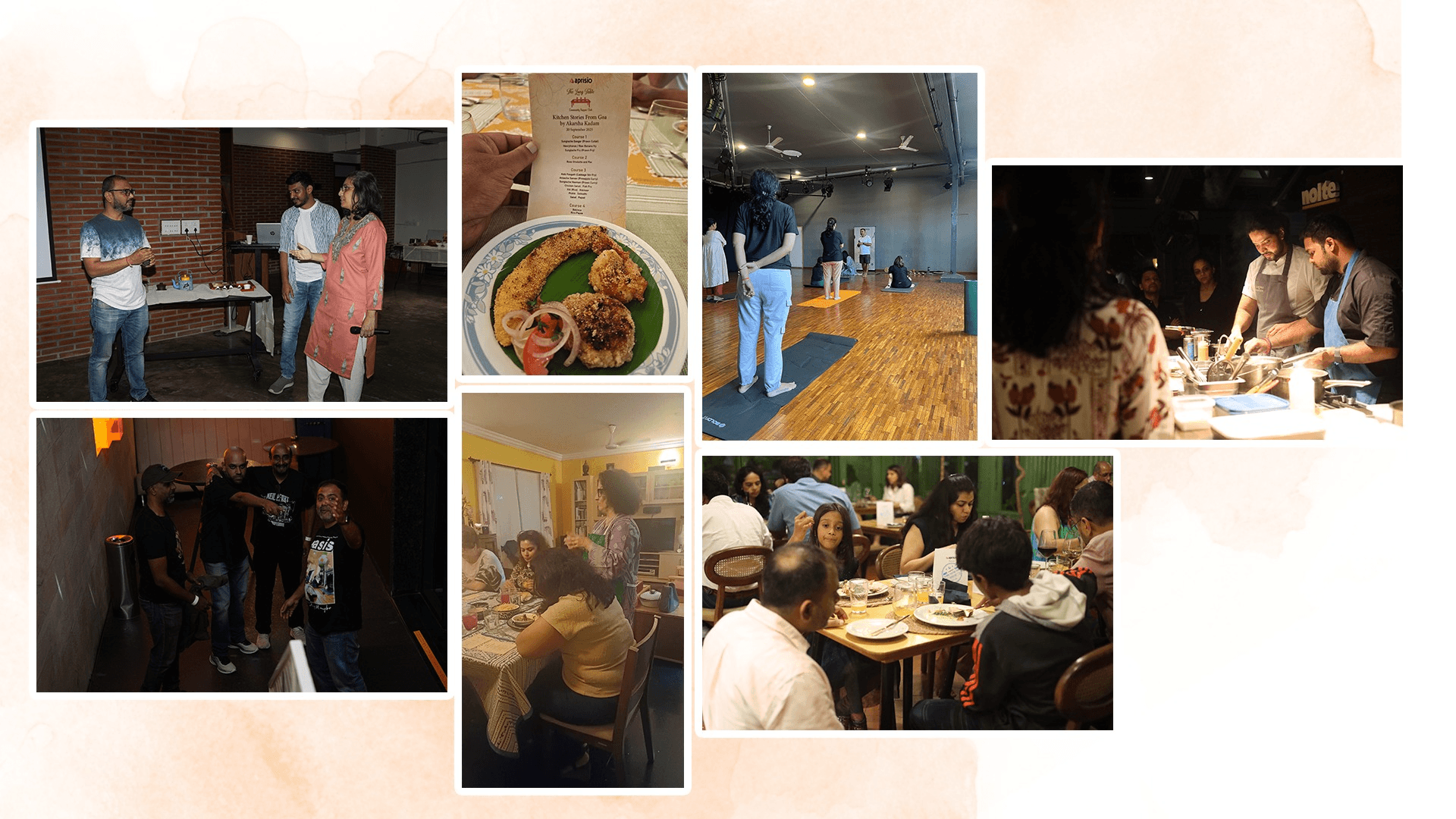
Aprisio offers such a space, fostering connection, learning, and well-being among midlifers in India. Through shared experiences, wellness programs, and cultural exploration, members find a supportive environment that celebrates midlife as a time for self-authorship and growth. The journey through midlife need not be solitary or stigmatized; with the right community, it can be a powerful period of change and fulfillment.
The midlife crisis is less about the crisis and more about transformation. By embracing its complexities with understanding and support, Indian midlifers can redefine this stage as a second spring—a time to shed limiting narratives and build lives authentic to their deepest values.
If you’re exploring your own midlife questions and seeking a community that values growth over judgment, Aprisio invites you to join a vibrant network where midlife is celebrated as a dynamic chapter of possibility.
Related Blogs