Reclaiming Your Identity and Purpose After Decades of Caregiving
You’ve likely heard the stories, the devoted homemaker, the empty nest, the midlife crisis. But this isn’t about clichés or feel-good slogans. It’s about the real, often quiet strength you’ve built over years of caregiving and balancing life’s demands. Many Indian women face a challenging phase in midlife, where the familiar rhythms shift and new uncertainties arise. Yet this is also a chapter filled with opportunity, practical, step-by-step ways to turn those challenges into a powerful new beginning. This blog shares exactly how women like you are breaking free from those difficult moments and stepping into renewed purpose and joy.
The Invisible Economy: How Caregiving Robs You of Market Value
Caregiving isn’t love; it’s unpaid labor with a GDP-sized hole. India’s unpaid care work by women is worth ₹22.7 lakh crore annually—7.5% of GDP—yet it’s invisible in national accounts and your resume. By age 50, the average Indian woman has logged over 5 hours daily on unpaid care—equivalent to 13 years of full-time paid work. That’s not devotion; that’s a career blackout.
Neuroscience explains the identity wipeout. Chronic caregiving floods the brain with cortisol, shrinking the hippocampus (memory and self-narrative center) by up to 8% in long-term caregivers. You literally forget who you were before “Ma.” Add perimenopause’s 30% drop in estrogen, and the prefrontal cortex—your decision-making CEO—goes offline. The result? Decision paralysis when the nest empties.
Jayashree Kalaiselvan, 50s, Chennai. After years of caregiving for her bedridden mother-in-law—handling meds, meals, and emotional labor while running a household—she hit midlife burnout in 2020. A former corporate trainer, Jayashree quit her job a decade earlier for family duties. When her mother-in-law passed, the void was deafening. But Jayashree audited her skills: caregiving honed logistics, empathy, and crisis management. She launched Emoha Elder Care in 2021, an app connecting seniors with vetted caregivers. Starting with ₹5 lakh bootstrapped from savings, it now serves 10,000+ users across India, employing 500+ women. "Caregiving broke me, but it built my business blueprint," she told The Hindu in 2024. Her pivot? Framing resume gaps as "strategic family operations leadership."
The Midlife Crossroads: Questioning Purpose and Career
In midlife, the caregiving phase naturally transitions for many women, opening space to reassess life’s direction. This period often triggers questions about personal fulfillment, career reentry, or new paths that honor identity beyond caregiving. Women in this phase face unique challenges—outdated resumes, technological changes in workplaces, and societal invisibility—that make reengaging with careers or personal ambitions difficult.
Among Indian women, this crossroads is compounded by family expectations and traditional gender roles. Yet, many midlife women discover renewed purpose by aligning with meaningful work or community roles that reflect their long-suppressed skills and passions. The process involves gradual self-acceptance, skill-building, and overcoming fear of starting anew. Women across India are proving it’s possible. They start small—maybe a weekend course, maybe a WhatsApp group of old college friends—and discover the same fire that kept a family together can light an entirely new path. The midlife crisis becomes a turning point when you treat it as an invitation, not a verdict.
Real-life Stories of Reclamation from Indian Women
Mahira’s story exemplifies this journey. After years devoted to caregiving for a sibling with schizophrenia, Mahira struggled with her own mental health and personal identity. The lack of external support and societal understanding deepened her invisibility. However, with the support of her husband and community resources, Mahira began to set boundaries around caregiving and rediscover her ambitions, learning to prioritize herself without guilt—a difficult but empowering act of reclaiming identity.
Another example comes from women professionals interviewed in studies across Indian states who navigated intense guilt balancing caregiving with professional identities. Their stories reveal the use of "identity work," a deliberate process of redefining self through choices that blend tradition with personal aspirations. This includes adopting new social roles, seeking education, or engaging in advocacy for women’s mental and emotional well-being, emphasizing that identity beyond caregiving is possible.
Strategies to Reclaim Identity and Purpose
Five gentle, doable steps—used by women who’ve walked this road—to move from midlife crisis to midlife momentum:
- Self-reflection and Acceptance: Recognize caregiving as a significant chapter but reassess your evolving self, dreams, and needs.
- Skill Renewal & Learning: Embrace opportunities for upskilling or reentering education or professional domains to build confidence.
- Community and Support: Engage with like-minded groups or counseling services that understand midlife transitions and invisible woman experiences.
- Setting Boundaries: Learn to say no and prioritize self-care without guilt, reshaping family dynamics and expectations.
- New Purpose & Passion: Explore hobbies, volunteerism, entrepreneurship, or part-time careers that reignite joy and fulfillment.
The midlife crisis is not a life sentence. It’s the alarm clock after decades of putting everyone else first. Answer it. The woman who kept a family afloat for years is more than ready to steer her own ship.
Redefining the Midlife Crisis with Aprisio
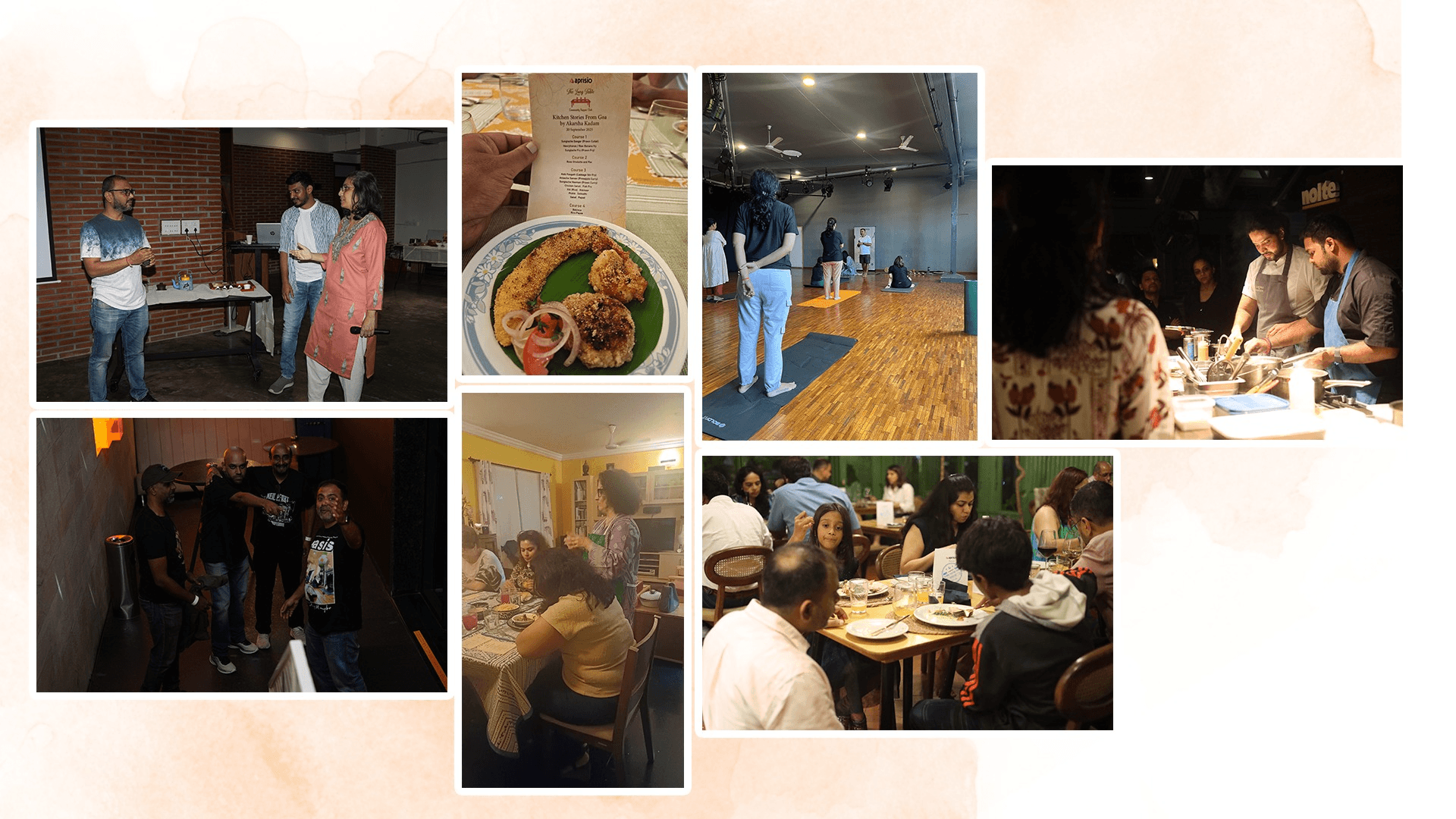
But what if that midlife crisis wasn’t a solo battle? Aprisio is India’s first age-positive community for adults over 40, founded by Kaushal Mishra after his own high-achieving career left him craving real connection. Aprisio is flipping the script on midlife—not as a crisis of regret, but as a vibrant crossroads for growth, shared passions, and intentional bonds. Aprisio curates experiences like coffee masterclasses, wellness hikes, and storytelling circles for those in similar life stages—think fellow empty-nesters rediscovering adventure or professionals swapping career pivots over chai.
It’s more than meetups; it’s a lifeline against isolation. Members rave about reconnecting with like-minded souls—the kind who get the quiet drift of old friendships amid kids and careers—sparking friendships that sustain vitality for decades. Aprisio matches you with people who share not just interests, but the unspoken nuances of this season: the humor in hot flashes, the thrill of new hobbies, the wisdom of “what’s next?”
Related Blogs