The Midlife Athlete's Playbook: 5 Smart Recovery Techniques You're Not Using (But Should Be)
If you’re a midlife athlete, you already know that your body doesn’t bounce back quite like it used to. The energy of youth is replaced by wisdom, but also by the need for smarter recovery. Injuries linger longer, muscles take more time to repair, and your mind craves rest in ways it never did before.
So how do you keep playing at your best, pushing your limits, without sidelining yourself for weeks? The secret lies in recovery. But not just any recovery, the smart recovery techniques that are often overlooked but can transform your performance and well-being.
Here’s your midlife athlete's playbook: five recovery methods you’re probably not using yet but absolutely should be.
Recovery Gains New Meaning After 40
Recovery it's a strategic partner to your training. After age 40, your hormonal profile shifts, collagen production slows, and inflammation tends to stick around longer. These changes mean your body needs more time and specific strategies to repair and adapt. Recovery helps rebuild tissues, restore energy stores, and regulate your nervous system, so that you come back stronger and less injury-prone with each workout.
Ignoring recovery or sticking to outdated rest methods can lead to burnout, chronic pain, and lost motivation. But embracing recovery as an active process—one that includes lifestyle tweaks and innovative practices—is your ticket to athletic longevity. Here’s how to do it.
1. Prioritize Quality Sleep
Sleep is the cornerstone of recovery, especially for midlife athletes. It’s during deep sleep that your body releases growth hormone, a key player in muscle repair, fat metabolism, and overall regeneration. Unfortunately, as we age, sleep quality tends to decline with more awakenings and less restorative deep sleep phases.
To combat this, create a sleep sanctuary:
- Stick to a consistent bedtime and wake-up schedule, even on weekends.
- Lower screen exposure at least an hour before sleep to reduce blue light interference.
- Develop a calming pre-sleep ritual such as reading, gentle stretching, or meditation.
- Consider subtle aids like blackout curtains, white noise machines, or aromatherapy with lavender.
Many athletes find that their mental edge after a good night’s sleep is just as important as the physical benefits. When your mind is sharp, focus improves, reaction times speed up, and stress hormones lower—all crucial for peak athletic performance.
2. Use Active Recovery to Enhance Circulation and Mobility
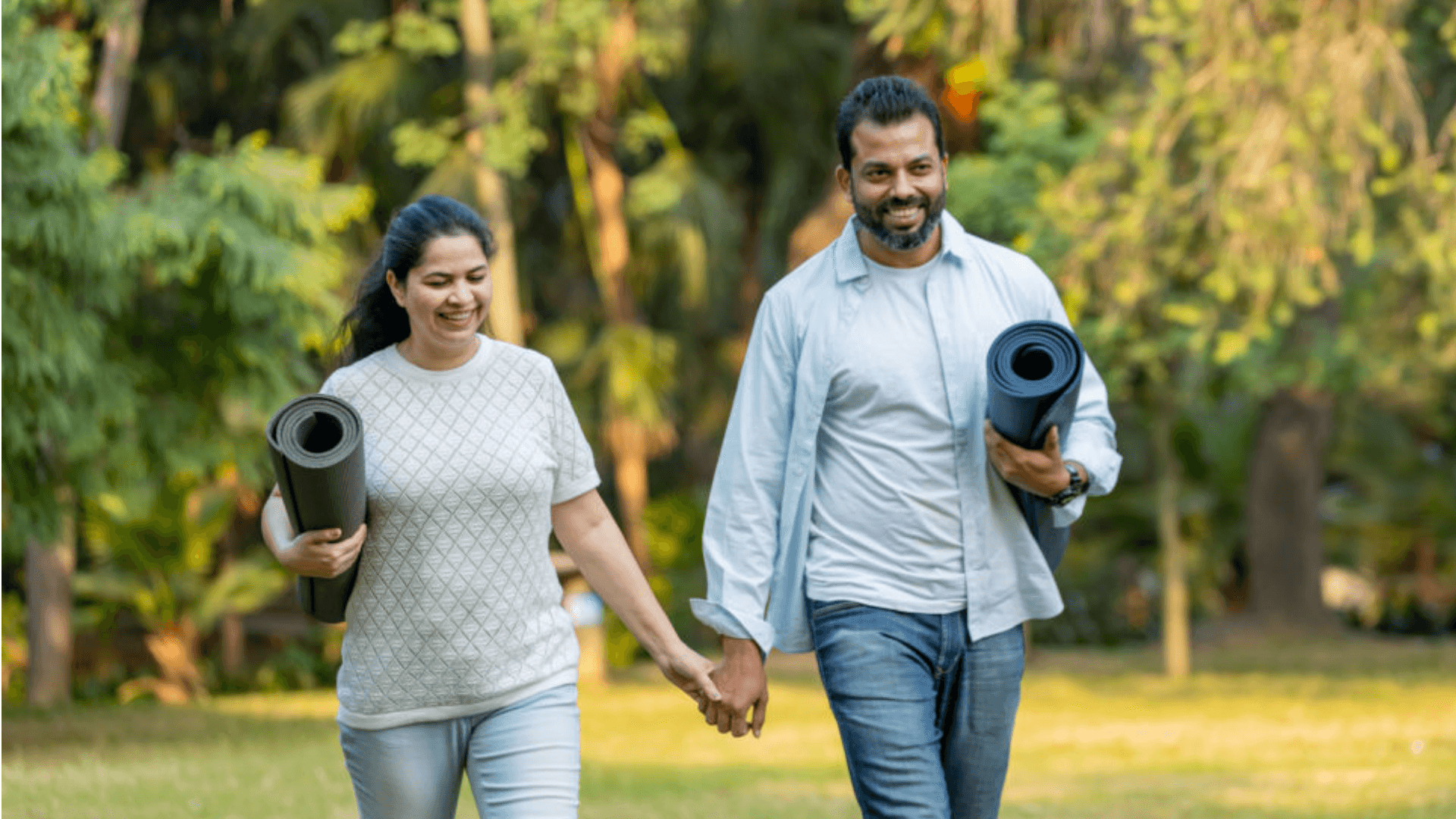
“Rest” doesn’t always mean doing nothing. In fact, complete inactivity can slow healing. Active recovery—the practice of engaging in low-intensity exercise on rest days—boosts blood circulation and flushes metabolic waste products like lactic acid from tired muscles.
Activities perfect for active recovery include:
- Gentle yoga or Pilates, enhancing flexibility and joint health.
- Swimming, which supports movement without heavy impact.
- Leisure cycling or walking that keeps the legs moving without strain.
- Foam rolling and mobility drills that prevent stiffness and improve range of motion.
Doing these light sessions not only accelerates healing but also maintains your aerobic base without elevated injury risk. For midlife athletes balancing work, family, and fitness, active recovery is a practical and effective way to stay connected to movement even on “off days.”
3. Train Your Mind
Physical fatigue is easy to spot; mental fatigue is trickier but equally important. Midlife athletes often juggle myriad life roles, and the mental load can lead to diminished motivation, increased perceived effort, and poor concentration during workouts.
Incorporating mental recovery techniques helps you reset psychologically, which aids physical recovery as well. These techniques include mindfulness meditation, breathwork exercises, and visualization strategies where you mentally rehearse success and calmness.
Take a few minutes daily to:
- Practice deep, slow breathing to activate your parasympathetic nervous system (the rest-and-digest mode).
- Visualize upcoming workouts going smoothly or recovering without pain.
- Use progressive muscle relaxation to systematically release tension throughout your body.
By caring for your mental state, you'll reduce cortisol (the stress hormone), improve sleep quality, and sustain the mental resilience needed for long-term athletic pursuits.
4. Fuel Your Recovery
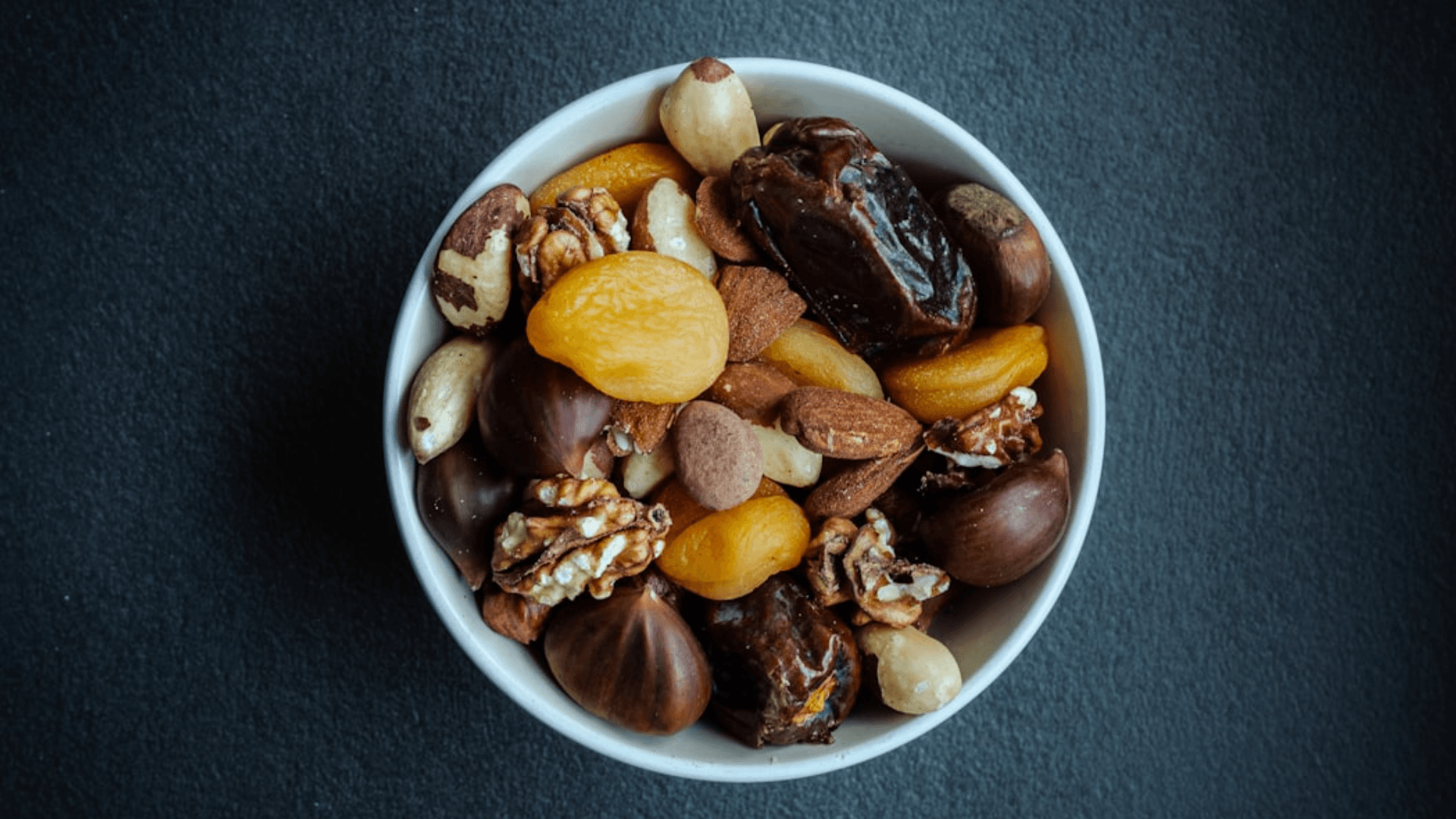
Nutrition plays a starring role in recovery, especially as your metabolism and nutrient absorption shifts in midlife. Protein is the building block for muscle repair; aim for roughly 1 gram per pound of body weight, split evenly across meals. Prioritize complete proteins such as lean meats, fish, dairy, and plant-based sources like lentils and quinoa.
Omega-3 fatty acids found in flaxseed, walnuts, and fatty fish help combat chronic inflammation—a common culprit behind joint stiffness and prolonged soreness. Antioxidant-rich colorful fruits and vegetables support cellular repair, while carbohydrates replenish glycogen stores to fuel your next session.
Don’t forget hydration: even mild dehydration can impair muscle function and recovery speed, so sip water consistently throughout the day.
Supplements like magnesium, vitamin D, and turmeric may also support recovery, but it's best to consult your healthcare provider to tailor these to your individual needs.
5. Try Cutting-Edge Recovery Modalities for Next-Level Results
Beyond traditional rest and nutrition, several innovative recovery methods have gained popularity and scientific backing for midlife athletes:
- Photobiomodulation (Red-Light Therapy): Exposure to specific red and near-infrared light wavelengths can stimulate cellular energy production and reduce inflammation, accelerating tissue repair.
- Floatation Therapy: Spending time in sensory deprivation tanks allows deep mental relaxation and muscle release, sometimes difficult to achieve by other means.
- Cold Water Immersion and Contrast Therapy: Alternating between cold and warm water baths may promote recovery by enhancing circulation and reducing inflammation.
- Massage and Compression Garments: These support blood flow and can ease muscle tightness and soreness.
While not daily essentials, integrating these modalities strategically around intense training cycles can help midlife athletes maintain peak performance, reduce injury risk, and enjoy training longer.
Recovery Is Your Competitive Advantage
Midlife is the perfect time to shift your mindset: recovery is not a break in your training but a crucial piece of it. By prioritizing quality sleep, incorporating active recovery, training your mental reset, fueling your body wisely, and exploring advanced recovery methods, you can enhance performance and extend your athletic lifespan.
Remember, smart recovery is a tailored blend of science and self-care. Listen to your body and mind, experiment mindfully, and build routines that keep you feeling strong, balanced, and energized for the challenges ahead.
You’re not just an athlete—you’re a midlife athlete, playing the long game with wisdom and grit. This playbook is here to help you win that game.
Related Blogs